
Sacred Moments: An Insider's Guide to Traditional Nepali Wedding Traditions
Nepal's rich cultural heritage offers a treasure trove of wedding traditions that can transform your special day into a deeply authentic and meaningful experience. For couples who wish to honor these timeless customs, understanding their significance is the first step.
What are the Most Significant Nepali Wedding Traditions?
While traditions vary by community, several core elements are central to many Nepali weddings. These rituals are not just ceremonial; they are rich with symbolism and meaning:
- The Janti (Wedding Procession): A vibrant and musical procession of the groom's family and friends to the wedding venue.
- Henna and Adornment Traditions: The application of intricate henna designs on the bride's hands and feet, symbolizing beauty, joy, and spiritual awakening.
- Cultural Rituals and Their Meanings: Ceremonies often involve tying the knot, exchanging garlands, and circling a sacred fire, each with its own profound significance.
The Symbolism of Colors and Attire
Color and clothing are vital components of a Nepali wedding's visual and symbolic language.
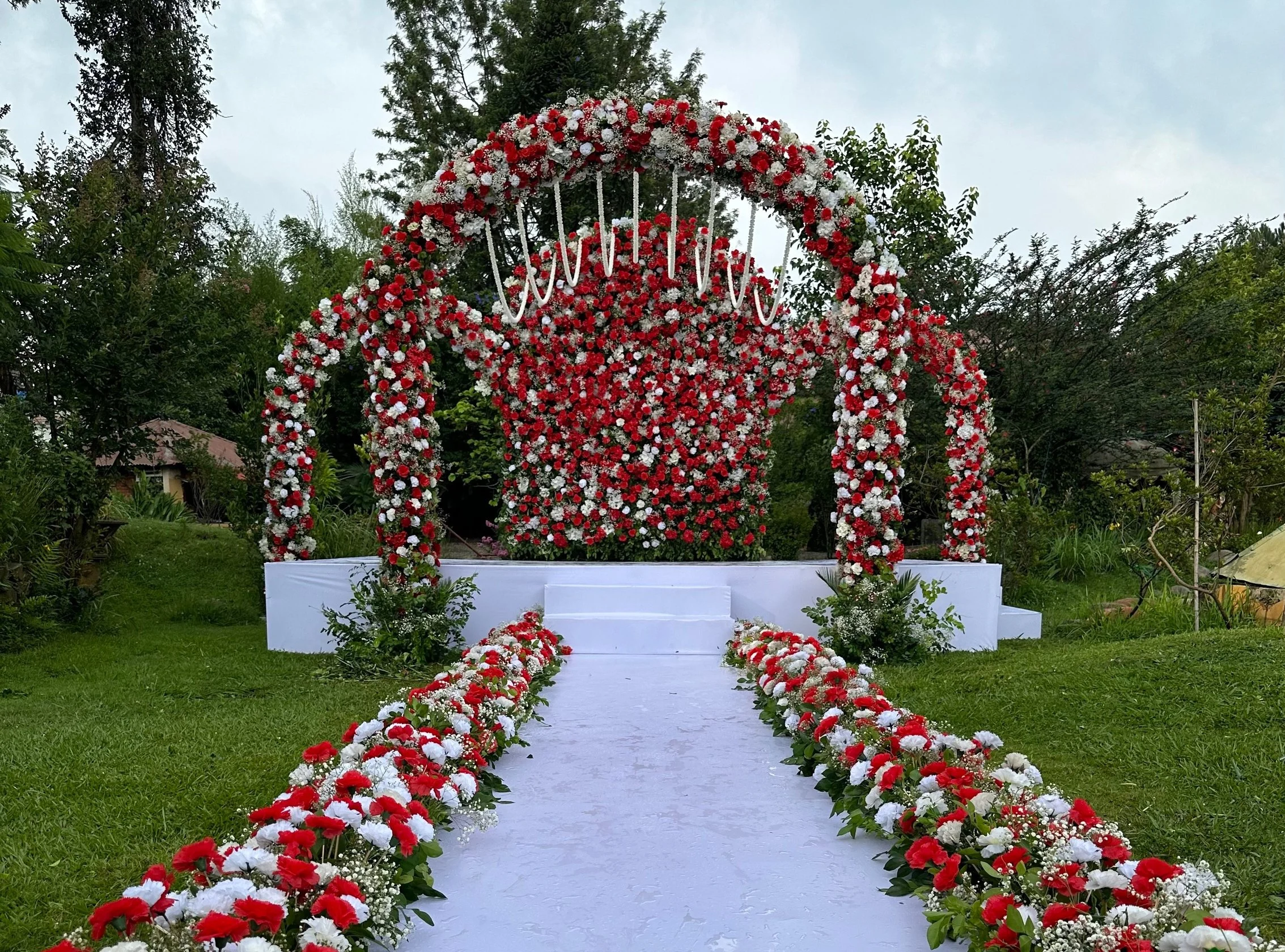
- The Significance of Colors: Red is a dominant color, symbolizing love, passion, and prosperity. Gold is also prominent, representing purity and wealth.
- Traditional Wedding Attire: Brides often wear elaborate sarees or lehengas in auspicious colors, while grooms may wear a traditional Daura Suruwal.
Blending Cultures: Can We Personalize Our Ceremony?
Many couples ask if they can create a fusion of cultures. The answer is a resounding yes. It is absolutely possible to have a blend of Western and Nepali wedding ceremonies, taking the most beautiful parts of each tradition.
You Might Also Like
Read Guide
Read Guide
Read Guide